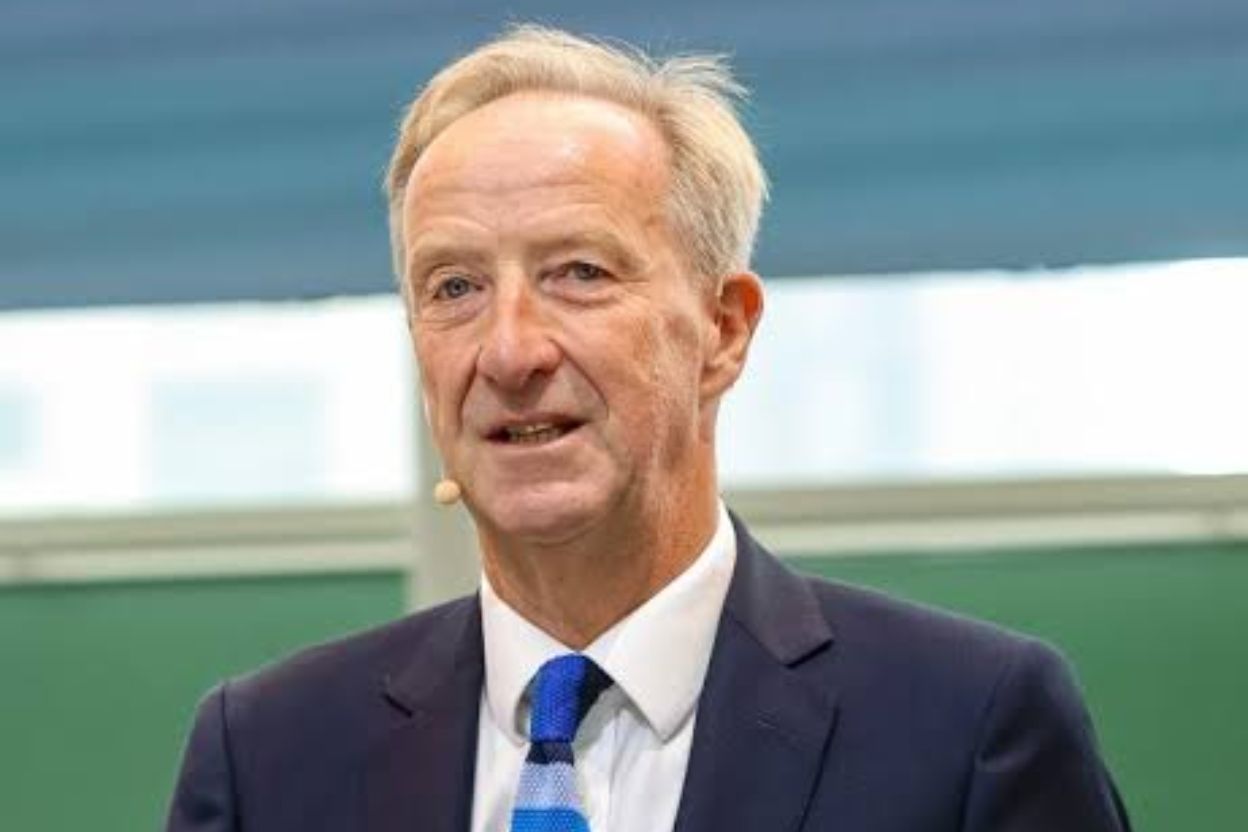
A Master Spymaster
Early Life and Foundations
Born in Westminster in July 1963, sir alex younger began an extraordinary life journey. Marlborough College shaped his early discipline. Later, the University of St Andrews provided him with a unique academic toolkit. Economics taught him market flows, while computer science sharpened his analytical capabilities. Consequently, these fields prepared him for modern digital intelligence challenges long before cyber threats dominated global security agendas.
Growing up in London exposed him to public administration and international affairs. Therefore, public service felt like a natural vocational calling. Marlborough fostered intellectual rigor through demanding coursework and sports. Meanwhile, St Andrews offered an environment where strategic thinking thrived. These formative years built a resilient character. Indeed, friends noted his calm demeanor under academic pressure, a trait that defined his later career in high-stakes environments.
Entering the Secret World
Joining alex younger mi6
Military service preceded his clandestine career. Commissioned into the Royal Scots and later the Scots Guards, he achieved the rank of captain. This military background instilled profound tactical discipline. Eventually, he transitioned into alex younger mi6 in 1991. The post-Cold War era demanded extreme adaptability. Hence, his tactical training proved invaluable during dangerous overseas deployments.
Operating undercover required absolute discretion. Furthermore, international espionage during the early 1990s underwent rapid structural shifts. He embraced these operational uncertainties with remarkable composure. Intelligence officers must balance human empathy with cold calculation. Specifically, his military foundation ensured he handled field stress effortlessly. Thus, his recruitment marked a major asset for British foreign intelligence operations.
Early Diplomatic Postings
Foreign assignments tested his operational judgment globally. Vienna presented complex diplomatic challenges following European restructuring. Meanwhile, Dubai offered a high-tempo security climate. Later, he served as senior officer in Afghanistan. Operating amidst active conflict zones demanded supreme courage. Moreover, cultural awareness allowed him to cultivate vital human networks safely.
Each overseas posting expanded his strategic worldview. For example, his time in Central Asia exposed him to asymmetric warfare dynamics. Intelligence gathering in hostile territory involves constant risk management. Therefore, his measured decision-making saved numerous field agents from compromised situations. Diplomats and spies alike respected his clear, uncompromising operational directives. Consequently, Whitehall recognized his leadership potential early.
Rising Through Global Operations
Counter-Terrorism Leadership
Domestic threats required sophisticated defense mechanisms. In 2009, he assumed the role of Director of Counter-Terrorism. Terrorist networks shifted toward decentralized, digital communication methods. Therefore, intelligence strategies required complete modernization. He spearheaded innovative surveillance initiatives to intercept violent plots before execution.
Protecting civilian populations demanded relentless inter-agency collaboration. Furthermore, international law enforcement agencies shared intelligence openly under his guidance. Disrupting complex terror cells required absolute precision. Thus, his operational oversight prevented numerous catastrophic attacks across Western nations. His strategic foresight during this period earned him widespread praise within government security committees.
Securing the Olympic Games
The 2012 London Olympics presented a massive logistical challenge. Millions of global visitors converged on the British capital. Hence, security coordination had to remain airtight. He managed multi-agency synchronization across police, military, and intelligence units. Every potential vulnerability underwent rigorous simulation exercises.
Successful execution of Olympic security cemented his elite status. Moreover, international delegations praised the flawless coordination protocols. Managing massive public gatherings without disrupting daily life requires immense tactical genius. Therefore, his administrative competence shone brightly during this high-pressure global event. Whitehall officials recognized him as an indispensable pillar of national defense.
Directing the British Intelligence Agency
Modernizing Fourth-Generation Espionage
November 2014 marked a historic milestone in his career. Appointed as the 16th Chief of the Secret Intelligence Service, he adopted the traditional codename “C”. Traditional human intelligence faced severe pressure from ubiquitous digital surveillance. Consequently, he championed fourth-generation espionage. This modern approach integrated advanced data science directly into clandestine operations.
Technology alone cannot replace human judgment, however. Therefore, he balanced digital innovation with classic agent handling. He also advocated for organizational transparency to attract diverse talent. Modernizing recruitment channels allowed the agency to reflect broader societal demographics. Indeed, his progressive leadership transformed institutional culture significantly.
Navigating Geopolitical Turbulence
Geopolitical friction intensified dramatically during his tenure. Brexit negotiations created unique diplomatic friction across European partners. Meanwhile, aggressive state actors deployed cyberattacks and disinformation campaigns. He managed these volatile dynamics with unflinching resolve. Maintaining intelligence sharing relationships across borders remained a top priority.
Adversarial states frequently tested Western security boundaries. Therefore, his public speeches warned global audiences about rising hybrid warfare tactics. Speaking candidly about state threats helped align international defensive frameworks. Consequently, his strategic warnings shaped foreign policy decisions across allied nations. Leadership under such pressure demands exceptional personal fortitude.
Personal Life and Family Dynamics
Partnership with sir alex younger wife
Behind his public persona stood a deeply supportive home life. Sarah Hopkins became the devoted sir alex younger wife following their marriage in Italy. Supporting a high-ranking intelligence chief requires immense emotional resilience. Her steady presence provided a vital anchor away from classified government pressures.
Balancing family routines with national security duties involves constant vigilance. Furthermore, maintaining privacy shields loved ones from undue public scrutiny. Friends frequently highlighted their strong egalitarian partnership. Mutual respect underpinned their decades-long marriage. Thus, domestic stability enabled him to shoulder monumental professional burdens without distraction.
Raising sir alex younger children
Parenthood brought profound joys and devastating sorrows. Raising sir alex younger children occurred largely away from media spotlights. Protecting family security remains a fundamental priority for intelligence leaders. However, tragedy struck when their middle son, Sam, died in a motoring accident.
Enduring such immense personal grief requires extraordinary inner strength. The family navigated this profound loss with quiet dignity. Close friends rallied around them during those dark moments. Moreover, public displays of sympathy offered modest comfort. Resilience through tragedy demonstrated the family’s deep internal fortitude.
Literary Reflections and Mentions
Traces in an alex younger book
Clandestine operations rarely receive public documentation. Nevertheless, investigative journalism and memoirs occasionally reference early intelligence figures. Researchers exploring historical Whitehall documents often encounter mentions within an alex younger book or specialized intelligence history. These texts analyze the institutional evolution of British espionage.
Authors examining post-Cold War intelligence networks frequently study his administrative trajectory. While official agencies decline comment on unauthorized literary works, public archives preserve key milestones. Academic researchers value these independent accounts for contextualizing modern intelligence history. Consequently, his professional evolution remains a subject of intense study among security scholars.
Investigating Historical Accounts
Historical accuracy demands careful cross-referencing of available records. Early memoirs written by former operatives shed light on rigorous training regimens. Furthermore, biographical essays document his transition from military service to diplomatic espionage. Scholars evaluate these narratives to understand operational shifts over decades.
Transparency in intelligence studies continues to evolve slowly. Therefore, every documented reference adds valuable perspective to his legacy. Readers seeking deep insights into statecraft find these historical reviews fascinating. Ultimately, factual records paint a picture of a dedicated public servant driven by national duty.
Final Years and Medical Battle
Investigating sir alex younger cause of death
Stepping down in September 2020 did not end his public contributions. He lent his strategic expertise to private sector boards and defense think tanks like RUSI. However, private life was soon overshadowed by severe health complications. Following a courageous private battle against illness, the official sir alex younger cause of death was confirmed as pancreatic cancer.
He passed away in Boston in June 2026 at age sixty-two. True to his famous humor, close friends revealed he nicknamed his tumor “Putin”. This defiant spirit characterized his entire life. Medical professionals provided palliative care, but aggressive illness ultimately prevailed. Hence, the intelligence community mourned the loss of a brilliant strategic mind.
National Tributes and Legacy
Tributes flooded in from global political leaders immediately following his passing. Prime ministers and intelligence chiefs praised his unwavering patriotism. His modernization efforts left an indelible mark on Western defense architecture. Memorial services celebrated a life dedicated to safeguarding democratic values.
Future intelligence officers will study his administrative frameworks for decades. His ability to merge human intelligence with digital innovation set a new global standard. Indeed, his legacy endures in every secure network and protected citizen. History will remember him as a master spymaster who guided the UK through its most turbulent modern era.
