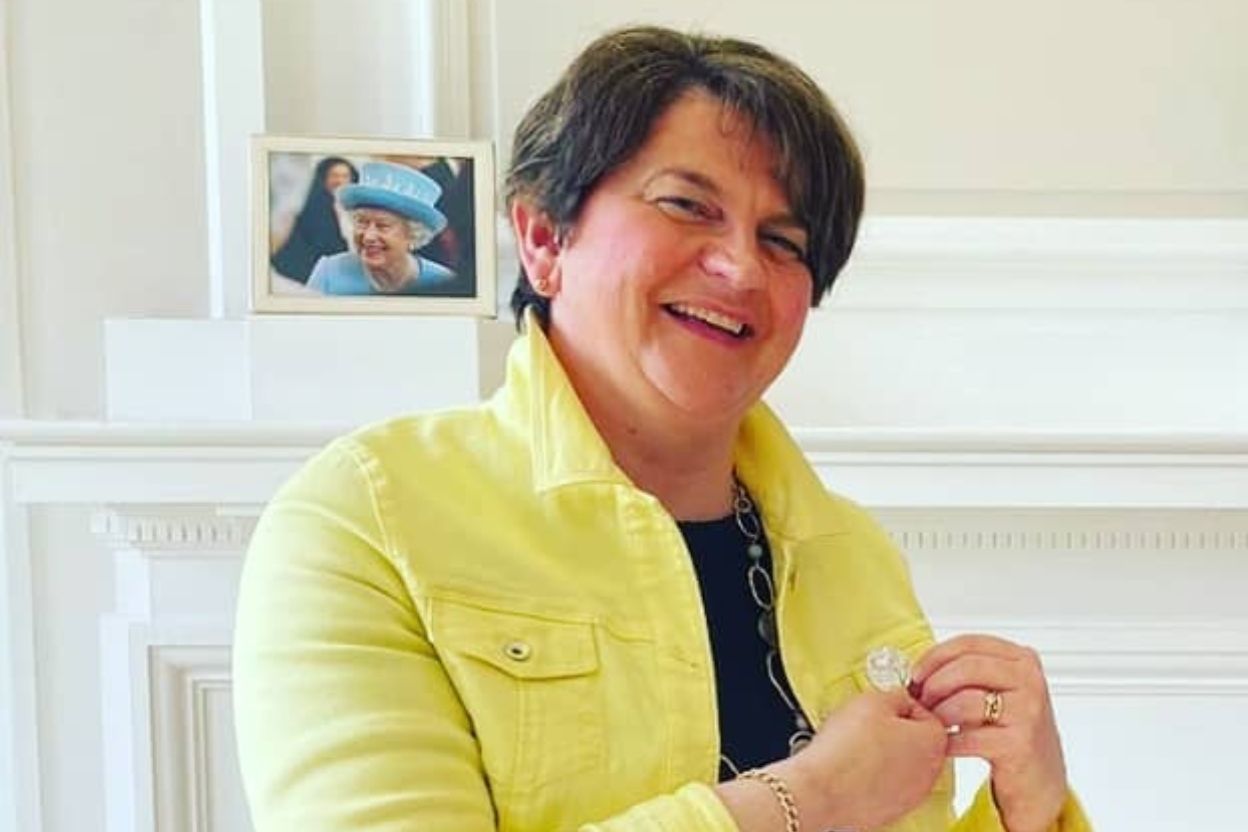
Political figures often shape nations through endurance, sharp intellect, and absolute determination. Few personalities match the massive historical footprint of arlene foster within modern British and Irish governance. Breaking numerous barriers, she redefined political leadership in a deeply fractured society. Her career spans decades of delicate peace negotiations, high-stakes administrative management, and dynamic media reinvention. Comprehending her lifelong trajectory requires examining personal hurdles, governance milestones, and contemporary public responsibilities.
Early Life and Formative Background
Growing Up in Fermanagh during Turbulent Times
The early life of arlene foster young years unfolded amidst intense regional conflict. Born in Enniskillen, County Fermanagh, she grew up in a traditional rural Protestant household. Daily life required constant vigilance due to severe security threats across the border region. For instance, a terrifying attack struck her school bus in 1988 when she was seventeen years old. Provisional terrorists targeted the vehicle because a fellow student served part-time in security forces. Fortunately, she escaped physical harm. Nevertheless, that violent experience shaped her political consciousness and solidified her long-term dedication to the unionist cause.
University Education and Early Legal Practice
Academic dedication offered a stable escape from local political volatility. She moved to Belfast to study jurisprudence at Queen’s University. Naturally, she excelled in her legal studies and earned a Bachelor of Laws degree. Afterward, she completed professional training to qualify as a solicitor. Working within the legal sector sharpened her analytical thinking and negotiation skills. Consequently, these professional abilities laid a solid foundation for her future legislative and executive responsibilities.
Political Career Evolution
Shifting Allegiances from UUP to the DUP
Political activism began early within the structures of the Ulster Unionist Party. During those formative years, she built strong local connections and grassroots support. However, the political landscape shifted drastically after the 1998 Good Friday Agreement. Discontent grew regarding the leadership’s direction and compromise strategies. Therefore, she made a monumental choice in 2004 to defect to the Democratic Unionist Party. This strategic shift realigned unionist politics and accelerated her rise within party ranks.
Securing Key Ministerial Portfolios
Following her election as an Assembly member for Fermanagh and South Tyrone in 2003, executive responsibilities followed quickly. First, she took charge of the Department of the Environment in 2007. Later, she transitioned to lead the Department of Enterprise, Trade and Investment. During her tenure there, she championed foreign direct investment and regional tourism. Furthermore, she served as Minister for Finance and Personnel, managing complex budgets during severe economic austerity. Each ministerial portfolio enhanced her reputation as a capable administrator.
Historic Tenure as First Minister
First Term and Power-Sharing Realities
History unfolded in December 2015 when she succeeded Peter Robinson as party leader. Shortly thereafter, she assumed office as First Minister of Northern Ireland. Governing required delicate cooperation under mandatory power-sharing rules. She partnered alongside deputy First Minister Martin McGuinness from Sinn Féin. Despite ideological differences, they worked to maintain governmental stability. However, deep cultural fractures persisted, eventually leading to administration strain and collapse in early 2017.
Second Term and Contemporary Crises
Following a prolonged political vacuum, the devolved executive restored operations in January 2020. She returned as First Minister, sharing power with Michelle O’Neill. Almost immediately, the COVID-19 pandemic tested her administrative endurance. Managing health restrictions and post-Brexit trade protocols proved exhausting. Meanwhile, internal party dissent over trade friction grew steadily. Ultimately, mounting pressure culminated in a leadership challenge, prompting her resignation announcement in the spring of 2021.
The Renewable Heat Incentive Controversy
Executive leadership also brought intense controversy regarding public policy execution. Specifically, the Renewable Heat Incentive scheme generated severe public backlash. Launched during her tenure at enterprise and trade, a fatal design flaw caused massive financial overspending. Although independent inquiries cleared her of personal corruption, critics condemned administrative oversight failures. Consequently, this scandal severely damaged public trust and accelerated political instability across the region.
Personal Life and Financial Standing
Marriage and Family Support with arlene foster husband
Away from intense political scrutiny, she maintained a private family anchor. Her long-term marriage to the arlene foster husband, Brian Foster, provided essential stability. Brian intentionally avoided the public spotlight, managing private business ventures and family responsibilities. Throughout decades of security threats and media pressure, her family shielded her personal life from political toxicity. Indeed, this quiet partnership sustained her through numerous professional storms.
Evaluating arlene foster net worth and Assets
Public curiosity frequently surrounds the personal wealth and accumulated arlene foster net worth. While precise private accounts remain confidential, her lifelong earnings derive from transparent professional sources. Salaries from her roles as an MLA, government minister, First Minister, and media commentator contributed steadily over time. Furthermore, advisory positions and public allowances built a secure financial profile. Despite media speculation, her primary wealth reflects decades of high-level public service and professional employment.
Digital Media and Modern Presence
Communicating via arlene foster twitter Platforms
Modern political communication demands active digital engagement. Utilizing arlene foster twitter accounts became a daily habit for sharing announcements, policy stances, and official commentary. Digital platforms allowed her to bypass traditional media filters and address supporters directly. However, online spaces also exposed her to intense hostility and polarized abuse. Despite toxic commentary, she continued utilizing social networks to shape public debates and defend unionist perspectives.
Transitioning to Broadcasting on arlene foster gb news
Retirement from frontline politics did not mean complete withdrawal from public life. Instead, she embraced an entirely unexpected career in media broadcasting. Accepting a prominent role on arlene foster gb news, she transformed into a regular television presenter and political commentator. This platform enabled her to critique national policies and cultural trends. Through broadcasting, she bridged institutional politics with popular media commentary, expanding her cultural reach across the United Kingdom.
House of Lords and Ongoing Legacy
Appointment as Baroness Foster of Aghadrumsee
National recognition for public service arrived formally in the 2022 Birthday Honours list. Appointed a Dame Commander of the Order of the British Empire, she soon entered the upper chamber of Parliament. Taking her seat as a life peer under the title Baroness Foster of Aghadrumsee, she gained a new legislative platform. Today, she utilizes the House of Lords to scrutinize national laws and champion regional interests.
Chairing Intertrade UK and Modern Influence
Continuing her active professional path, she assumed leadership as Chair of Intertrade UK. This government-backed organization promotes internal commerce across the United Kingdom. Her deep expertise in economic policy makes her uniquely qualified for the role. From surviving early regional violence to leading a government and anchoring major broadcasting networks, her journey remains an extraordinary testament to political endurance.
