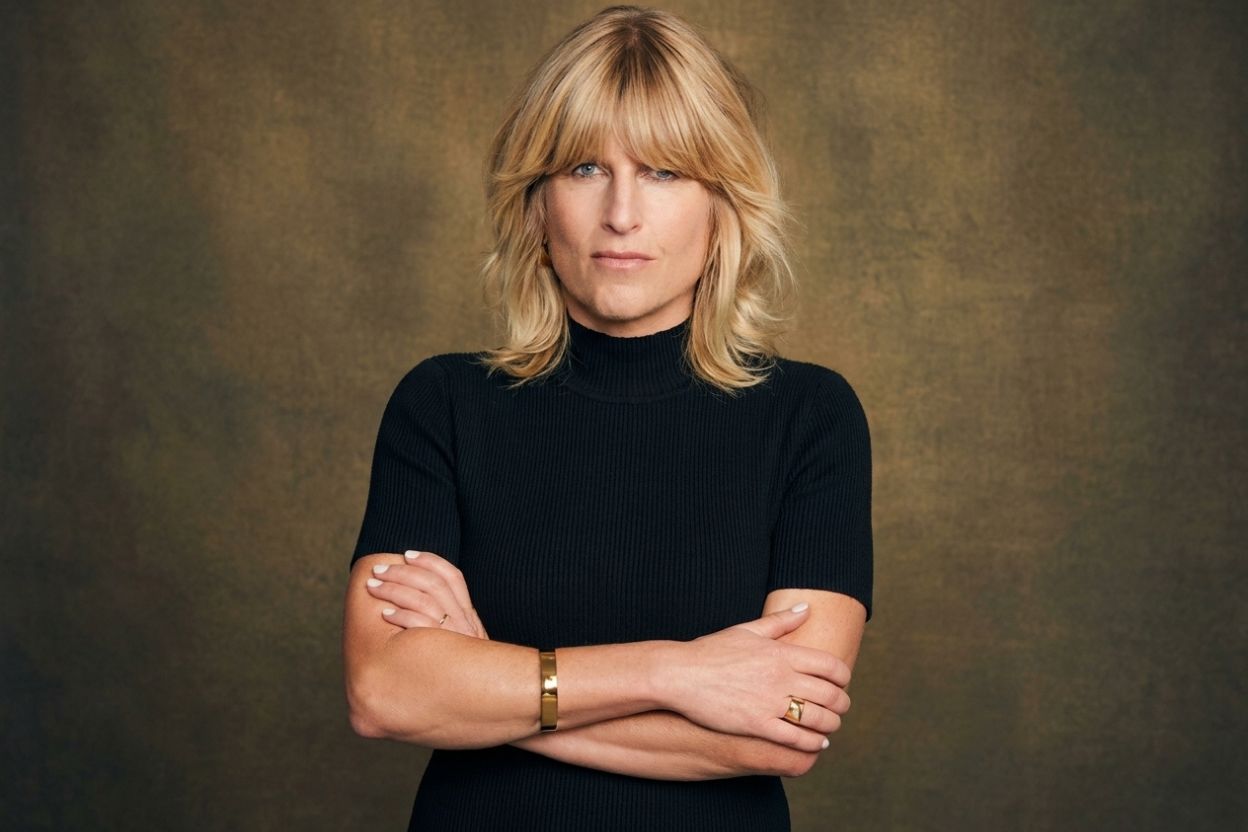
The British media landscape thrives on voices that challenge the status quo. Among these, rachel johnson stands out as a versatile journalist, broadcaster, and author. Her career spans over three decades, crossing the boundaries of print, television, and digital audio. She consistently reinvents her professional identity while maintaining a sharp, analytical edge. This profile explores her journey, her impact on modern broadcasting, and the personal elements that define her life.
Early Life and Academic Foundations
rachel johnson entered the world in 1965. She grew up in a household that prized intellectual curiosity and debate. Her father, Stanley Johnson, and her mother, Charlotte Johnson Wahl, encouraged her to pursue high standards of academic achievement. Consequently, she developed a worldview that values independence and critical thinking.
She attended Oxford University to study Classics. This prestigious education provided the bedrock for her future analytical capabilities. During her time at university, she edited The Oxford Myth. This project signaled her early willingness to critique elite institutions. She did not shy away from controversy even as a young student. Instead, she embraced it as a tool for public discourse.
The Making of a Journalist
Her professional life began with a groundbreaking achievement. She joined the Financial Times in 1989. Remarkably, she became the first female graduate trainee at the publication. This milestone allowed her to break institutional barriers within a male-dominated industry. Furthermore, it provided her with a rigorous education in economic reporting.
She spent five years honing her craft at the FT. During this period, she learned how to translate complex financial data into compelling stories. This experience shaped her writing style forever. It taught her the value of accuracy and clarity. Moreover, it established her reputation as a journalist who understands the machinery of business and power.
The Journalistic Evolution and Literary Success
After leaving the Financial Times, she expanded her scope significantly. She embraced the world of foreign correspondence while living in Washington D.C. Additionally, she started writing columns for major national publications. Her work appeared in The Sunday Times, The Daily Telegraph, and The Evening Standard.
She also took on the role of editor for The Lady. This historic magazine needed modernization. Consequently, she implemented bold changes to attract a new readership. Her tenure became the subject of a television documentary. This experience highlighted her capability to lead editorial teams through periods of significant transition.
From Satire to Memoir
Her literary career runs parallel to her journalistic success. She authored nine books, ranging from satirical fiction to non-fiction memoirs. For instance, her Notting Hell trilogy provides a biting look at West London social circles. Critics often praise her for her “chilly brilliance” and observational wit.
In recent years, she shifted toward more personal narratives. Her memoir, Rake’s Progress, details her foray into politics. She documented her candidacy for the European Parliament with startling honesty. Through her writing, she humanizes the often-baffled machinery of political life. She proves that satire and political commentary can coexist effectively in her work.
Broadcasting Success: Rachel Johnson LBC
Digital transformation changed how audiences consume news. rachel johnson adapted quickly to this shift. She recognized that radio offers a unique intimacy with the listener. Consequently, she embraced the opportunity to host shows on LBC.
The rachel johnson lbc programs have become staples of the Sunday night schedule. On these shows, she tackles the most pressing political and social issues. She encourages debate rather than seeking easy consensus. Her style is direct and unscripted. Therefore, listeners appreciate the authenticity she brings to the airwaves.
The Rachel Johnson Podcast Phenomenon
Modern media requires a presence on digital platforms. Therefore, she launched the rachel johnson podcast, Rachel Johnson’s Difficult Women. This project explores the lives of high-achieving women. She highlights figures who have challenged societal norms to succeed.
The podcast allows for deep, long-form conversations. Unlike a three-minute news segment, this format provides space for nuance. She listens with empathy while maintaining a challenging tone. As a result, the show attracts a loyal audience that values thoughtful engagement. It marks a significant expansion of her influence beyond traditional media outlets.
Rachel Johnson Husband and Personal Life
Public figures often face intense scrutiny regarding their private lives. However, she balances her high-profile career with a grounded home life. Discussions about her family often focus on the stability they provide. Her marriage has remained a constant throughout her rise in the media world.
She married Ivo Dawnay in 1992. Throughout their time together, they have managed the pressures of public careers while raising their family in London. rachel johnson husband provides a supportive partnership, which allows her to pursue her demanding work. She credits this support for her ability to sustain such a high-octane career.
Balancing Family and Fame
The reality of work-life balance remains a common theme in her commentary. She speaks openly about the logistical challenges of professional life. Furthermore, she acknowledges the help required to manage a busy household. By being candid, she makes her experiences relatable to working parents everywhere.
She protects her family’s privacy with great care. Despite the public nature of her work, she draws clear boundaries. She ensures that her commentary focuses on broader societal issues rather than intimate family details. This approach has allowed her to maintain professional integrity while preserving personal space.
Rachel Johnson Children and Motherhood
The role of a mother defines a significant portion of her identity. She frequently references her rachel johnson children—Ludo, Charlotte, and Oliver—in her writing. She uses these anecdotes to illustrate the complexities of modern parenting. Her perspective is often pragmatic and devoid of sentimentality.
She views motherhood as a challenging but rewarding role. Additionally, she treats it with the same intellectual rigor she applies to her journalism. She does not sugarcoat the difficulties of raising children in a digital age. Instead, she shares the messy reality of daily life. This honesty resonates deeply with her audience.
Managing Privacy in the Spotlight
Raising children while in the public eye requires resilience. She has mastered the art of keeping her children out of the tabloid spotlight. Although she shares stories about her family life, she keeps the focus on her own experience as a mother. Consequently, she maintains a sense of normalcy at home.
This protection is essential for her family’s well-being. By controlling the narrative, she ensures that her children are not subject to unwarranted attention. She sets a strong example for other public figures on how to handle privacy. Her approach is both protective and sensible.
Analyzing Rachel Johnson Net Worth
Financial success in the media industry is rarely linear. For a figure with a career as diverse as hers, estimating rachel johnson net worth is complex. Her income flows from multiple, independent sources. She does not rely on a single paycheck.
Her earnings come from decades of print journalism, book advances, and broadcast contracts. Additionally, she commands fees for television appearances and public speaking engagements. This multi-stream approach provides financial stability. It also reflects her value in the media marketplace.
Sources of Income and Brand Value
Her professional “worth” extends beyond simple currency. It encompasses her brand equity and her reputation as a commentator. In an industry with high turnover, her longevity is a testament to her value. Media organizations continuously seek her perspective.
She is a sought-after host because she delivers consistent, high-quality content. Her brand survives technological shifts, from print to radio to podcasting. Consequently, her market value remains high. She is a reliable asset for any network looking for sharp, articulated opinion.
Political Engagement and Public Views
Her political journey includes a significant moment of personal risk. She stood as a candidate for the Change UK party during the European Parliament elections. This move highlighted her desire to move from the sidelines to the center of action.
Although that political chapter was brief, it was important. It demonstrated her commitment to her beliefs. She believes that one should participate in the democratic process. Even when it is uncomfortable, she steps forward. Her political views are independent and often defy party lines.
The Independent Voice
She operates outside of traditional echo chambers. Her public profile thrives on her willingness to challenge diverse viewpoints. This is why she appears frequently on panel shows like Question Time. Viewers tune in because they know she will provide a unique perspective.
She does not prioritize party loyalty over truth. Instead, she analyzes the arguments presented to her. She treats politics with the same skepticism she applies to financial markets. Consequently, she remains a significant voice in British public discourse.
Legacy and Future Directions
The media landscape continues to evolve rapidly. However, she remains a constant presence. Her ability to pivot between different mediums is her greatest strength. She understands that the audience demands authenticity.
Looking forward, she will likely lean further into digital-first content. The success of her podcasting endeavors indicates a clear path forward. As traditional television habits change, her digital audience will become even more valuable. She is building a platform that can survive any technological disruption.
Final Thoughts on Her Impact
Her career is a blueprint for the modern public intellectual. She has navigated the pressures of family scrutiny, the transition from legacy print to digital audio, and the ever-changing landscape of political engagement. She does so with a distinct mix of grace and grit.
Through every column, every broadcast, and every book, she solidifies her position as a cornerstone of British media. Listeners and readers know what to expect from her. They get a perspective that is unequivocally hers—thoughtful, challenging, and impossible to ignore. She continues to shape the conversation in the UK and beyond.
